_PNG.png)


The Role of Mobile Patrols in Protecting Properties This Spring

Spring brings a noticeable shift in Canadian communities as the winter chill fades. People spend more time outdoors, tourism picks up, and foot traffic increases around commercial and residential hubs. This rise in activity is generally positive for local economies, yet it also creates more opportunities for unauthorized access and property interference. Property owners must acknowledge that higher density in public spaces often correlates with a rise in opportunistic incidents.
Longer daylight hours and the melting of snow reveal new entry points and vulnerabilities that were previously hidden or inaccessible. Criminals often take advantage of this seasonal transition to target sites that appear less monitored during the shift in weather. Mobile security services provide a versatile way to manage these risks without the high cost of a fixed post. These patrols move between various locations, offering a visible deterrent that adapts to the changing needs of a property as the season progresses.
Common “Spring” Crime
Opportunistic Theft of Outdoor Assets
Warmer weather means high-value items like patio furniture, landscaping equipment, and construction materials are left outside. Thieves often scout properties for these easy targets during the evening. Randomized security rounds ensure that equipment is still present and that storage areas remain locked and fully intact throughout the night.
Graffiti and Property Defacement
As the ice melts, taggers and vandals become more active in urban centres. They often target walls, fences, and utility boxes that are now accessible. Spring property monitoring identifies fresh markings early. Quick removal prevents the "broken windows" effect, where one act of vandalism invites several more to follow.
Unauthorized Shelter Seeking
Thawing ground allows individuals to access secluded areas of a property that were blocked by snowbanks. People may attempt to set up temporary camps or seek shelter in alcoves. Security patrol vehicles check these hidden corners frequently, ensuring that private land remains clear and preventing potential fire hazards.
Industrial and Construction Site Breaches
Spring is the peak season for new building projects. These sites often house expensive copper wiring and heavy machinery. Statistics Canada reports that construction theft remains a high-cost burden for developers. Mobile patrol units provide a presence that discourages intruders from entering these high-risk areas after hours.
Illegal Dumping of Winter Refuse
Property owners often find that people use their bins or back lots to dump seasonal waste or old tires. This creates a mess and attracts pests. Regular site patrols catch illegal dumpers in the act or note the arrival of debris quickly, allowing for immediate cleanup and investigation.
Vandalism of HVAC Systems
As businesses switch from heating to cooling, exterior HVAC units become targets for metal theft, particularly copper coils. These units are often in secluded areas. Professional mobile patrols focus on these mechanical zones during their rounds to ensure no one has tampered with or dismantled the expensive equipment.
Identifying Environmental Risks
Thawing and Flooding Hazards
Rapidly melting snow can overwhelm drainage systems, leading to basement flooding or foundation damage. Patrol guards look for pooling water near building entrances or clogged storm drains. Reporting these issues early allows maintenance crews to act before water enters the structure and causes extensive, permanent mould damage.
Roof and Gutter Integrity Issues
The weight of winter ice often damages gutters, leaving them hanging or detached. During a mobile site inspection, guards can spot debris-filled troughs or hanging metal from the ground level. Identifying these issues prevents water from pouring directly onto walkways, which creates a slipping hazard for visitors.
Pothole and Pavement Deterioration
The freeze-thaw cycle creates deep cracks and potholes in parking lots. These are major liability risks for trips and falls or vehicle damage. Security patrolling includes noting these hazards in a daily report. This documentation helps property managers prioritize repairs and place warning cones to protect the public.
Damaged Fencing and Perimeters
Snowploughs often accidentally hit fences or gates during the winter months. As the snow disappears, these gaps in the perimeter become visible and provide easy access for intruders. Perimeter security checks identify where fences are leaning or broken, ensuring that the physical boundary of the site remains secure.
Fallen Tree Limbs and Debris
High spring winds can knock down branches that were weakened by winter storms. These limbs may block emergency exits or hang precariously over pedestrian paths. Mobile guard units scan the grounds for these overhead risks, ensuring that all walkways and fire routes remain clear and safe for use.
External Lighting Failures
Cold weather can cause electrical shorts or bulb failures in outdoor security lighting. As the days get longer, it is easy to forget to check if these lights still work. Nightly mobile patrols verify that all lights are functioning, as dark spots are the primary invitation for criminal activity.
Fire Hydrant and Valve Access
Snow and mud can bury or obstruct access to fire hydrants and exterior water valves. In an emergency, every second counts for the fire department. Scheduled security rounds ensure that these critical safety points are visible and accessible, free from seasonal debris or misplaced equipment.
Deterring "Spring Fever" Crimes

Visual Deterrence Through Signage and Presence
The simple sight of a marked security vehicle can stop a crime before it starts. Most opportunistic criminals look for the path of least resistance. Marked patrol cars signal that the site is not a "soft target," which usually encourages individuals to move along to a different, unmonitored location.
Randomized Patrol Scheduling
Fixed schedules are easy for criminals to predict and bypass. Mobile patrols use irregular timing to keep intruders guessing. By showing up at different times each night, randomized security checks ensure there is never a "safe" window for someone to attempt a break-in or act of vandalism.
Immediate Response to Loitering
Warmer nights lead to more people hanging out in private parking lots or behind buildings. While not always criminal, this can lead to noise complaints or littering. Mobile patrol guards can politely ask individuals to move along, preventing a small gathering from turning into a larger, more disruptive party.
Active Gate and Lock Management
Spring is a busy time for deliveries and contractors, who often leave gates propped open. A mobile guard ensures that all entry points are secured at the end of the day. Lock-up and unlock services prevent the "open door" policy that many criminals rely on during busy seasonal shifts.
High-Intensity Lighting Checks
Guards use high-powered spotlights from their vehicles to illuminate dark alleys and recessed doorways. This temporary, intense light discourages anyone hiding in the shadows. Spotlight patrolling is an effective way to clear a large area quickly and ensure no one is loitering in the dark.
Community Engagement and Reporting
Mobile guards often act as the eyes and ears of a neighbourhood. They can spot suspicious vehicles that have been idling for too long and report them to local authorities if necessary. This community-based security approach creates a safer environment for both the property owner and the surrounding businesses.
Electronic Guard Tour Tracking
Modern patrols use GPS and digital tags to prove they have checked specific "hot spots" on a property. Owners receive reports showing exactly when a guard was at a certain door or gate. Digital security logging provides peace of mind and an audit trail that can be used for insurance purposes.
Cost-Effectiveness vs. Dedicated On-Site Security
Shared Cost Model
Mobile patrols work by visiting several clients in a geographical loop. This means the cost of the guard, the vehicle, and the fuel is shared among multiple properties. Shared security services allow small business owners to access the same level of professional expertise as large corporations at a fraction of the price.
Reduced Overhead and Benefits
Hiring internal security staff involves payroll taxes, insurance, and training costs. By using a third-party mobile patrol, the property owner avoids these administrative burdens. The security firm handles all the staffing logistics, ensuring a trained professional is always available to conduct the rounds without any extra effort from the client.
Scalability for Seasonal Needs
Spring might require more frequent checks than winter for certain businesses. Mobile patrols allow for easy adjustments to the frequency of visits. Flexible security contracts mean you can increase patrols during a busy spring break period and scale back once the seasonal rush has subsided, optimizing your spend.
Lower Liability for Property Owners
Professional guards are trained in conflict de-escalation and legal protocols. If an incident occurs, having a licensed security provider handle it reduces the property owner's personal risk. This professional intervention can prevent costly legal battles that might arise from untrained staff attempting to handle a trespasser.
Minimizing Replacement Costs
The cost of a mobile patrol is often much lower than the deductible on an insurance claim for stolen copper or heavy machinery. Preventative security measures save money by stopping the loss before it happens. Avoiding just one major theft can pay for an entire year of mobile patrol services.
Comprehensive Reporting Without Extra Tools
Mobile patrol companies provide detailed digital reports as part of their service. Property owners don't need to buy their own cameras or tracking software. Integrated security reporting gives you all the data you need to satisfy insurance requirements and monitor site safety without any capital investment in hardware.
Faster Emergency Assistance
While they are not the police, mobile guards are often the first to arrive at a scene. They can secure the area and provide accurate information to emergency services. Rapid patrol response can limit the extent of damage from fires or leaks, potentially saving the owner hundreds of thousands of dollars in restoration fees.
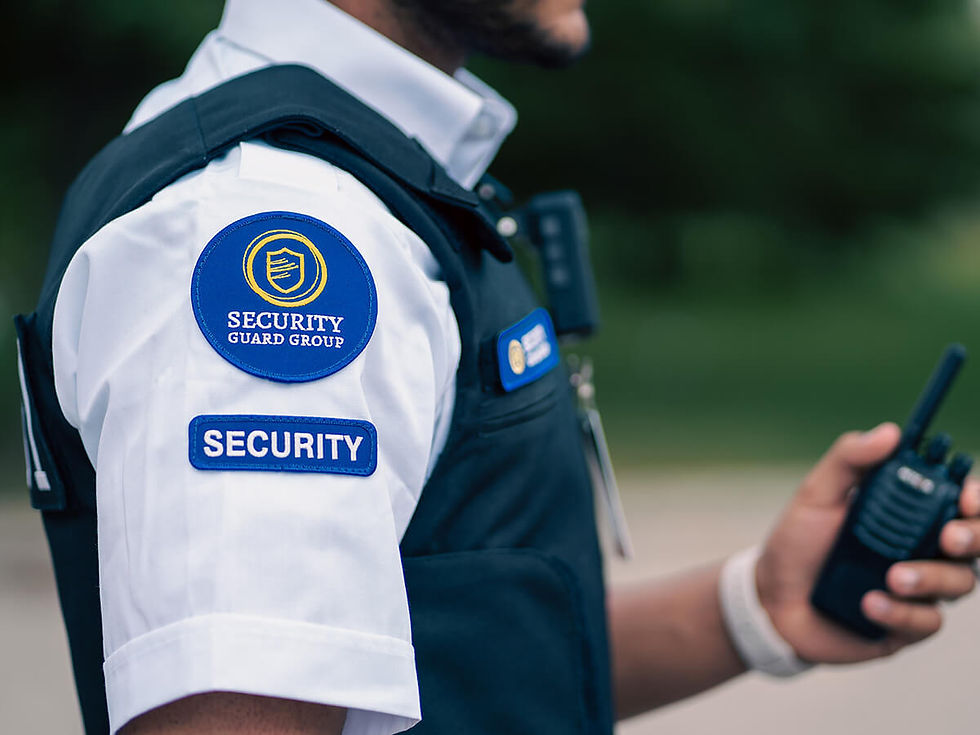
Protecting a property during the spring requires a move away from passive methods toward active, mobile solutions. As the environment changes and public activity rises, the risks of theft, vandalism, and environmental damage increase significantly. Mobile patrols offer the flexibility to address these issues head-on, providing a professional presence that adapts to the specific needs of each site. By identifying risks early—whether they are criminal or environmental—owners can maintain the value and safety of their investments throughout the season.
Choosing a mobile patrol service is a strategic move that provides high-value protection without the expense of a permanent guard. It ensures that your property remains resilient against the "Spring Break" effect and the various hazards that come with the thaw. For comprehensive protection tailored to your specific site, reach out to the experts. To secure your premises with a professional Security Guard Group, us contact at (226) 667-5048.


Comments